SEP 28, 2026
After Enough is built for bodies, budgets and backgrounds that donÔÇÖt look the sameÔÇöand shouldnÔÇÖt have to. Our roots are Indian: repair before replace, patchwork before landfill, silence before spectacle. But the practices here are portable. You donÔÇÖt need clay bowls or an ashram; you need options that fit your life.
Bodies & Style. We centre comfort and mobility. Rewearing is framed as power, not scarcity. Our styling ideas work across sizes, genders and sensory needs (soft seams, breathable fabrics, gentler fits). Editorial avoids body-shaming and ÔÇ£before/afterÔÇØ narratives.
Access. Every ritual has a low-cost version: a mixing bowl as a phone basket, one digital-free meal, a scarf restyled three ways. Tools and challenges are designed to be done at home, in small rooms, with what you already have.
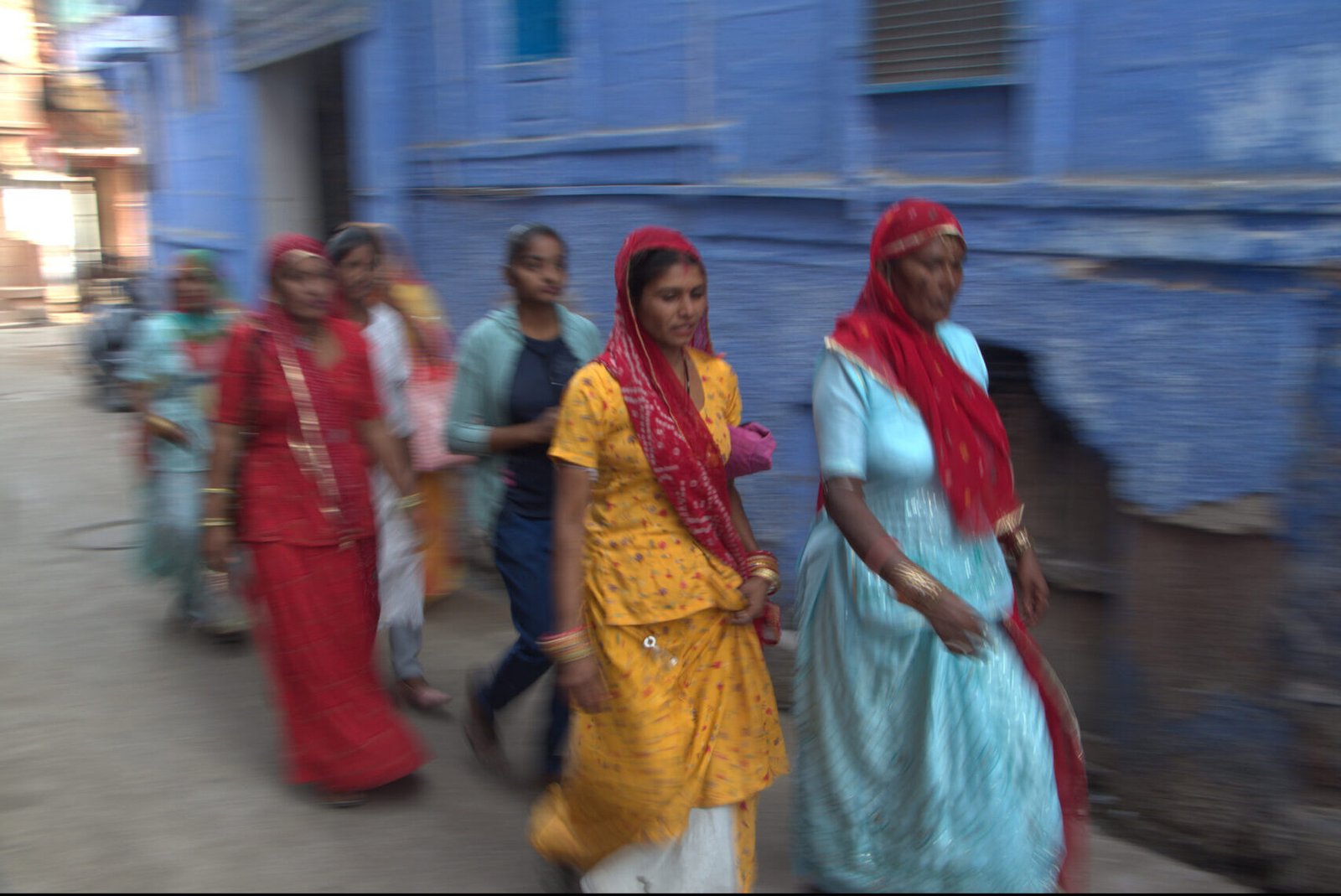
Language & Images. We use plain, non-judgemental language; we donÔÇÖt prescribe purity. Visuals prioritise rangeÔÇöage, skin tone, size, abilityÔÇöand avoid tokenism. Captions describe context; alt-text is provided for screen readers.
Culture. We honour where we borrow from. When we reference practices like kantha, mauna or sattvik food, we name them, credit their origins, and share how to adapt without aestheticising poverty.
Attention as a Right. Not everyone can log off for a day or shop ÔÇ£ethical.ÔÇØ ThatÔÇÖs why our emphasis is small, repeatable acts that return attention to its rightful owner: you. Enough is not a performance; itÔÇÖs a feelingÔÇöand everyone deserves access to it.