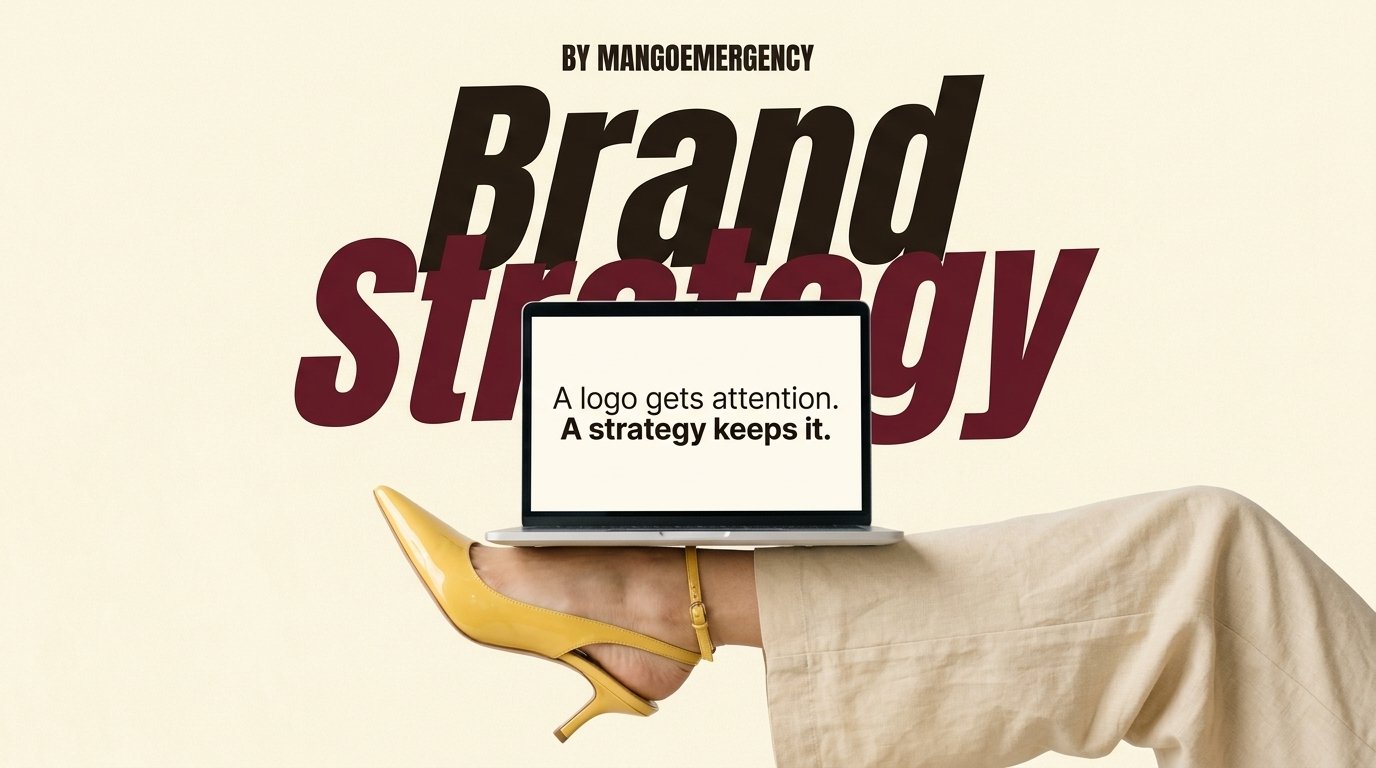
Communication Strategy Agency
With a communication strategy behind it, the work stops being posts and starts being a voice. Same brand, same story, whichever door somebody walks in through.
Why you need a communication strategy
Most brands do not have a communication problem, they have a consistency problem. The website says one thing, the ads say another, and the person answering messages says a third. None of it is wrong on its own. Together it reads as a company that has not decided what it is.
A strategy fixes the order of those decisions. What we say, who we say it to, where, and in what tone. After that the making gets faster, because nobody is arguing about the basics at three in the afternoon.
Our approach
One person writes something, another person reads it. That is the whole of communication. So we start with the reader and work backwards, rather than starting with the channel and hoping somebody shows up.
Steps and framework
- Audience and target group research
- Brand audit
- Messaging
- Visual world
- Launch
- Training and handover
Communication strategy services
We work through the possible routes, test them against the strategy and the design, and pick the one the brand can actually keep up. Deciding the idea is the hard part. Everything after it is craft.
Audience research
The point is to understand who you are talking to and what they need from you. That audience might be customers, it might be partners, suppliers or your own team, and each of them hears you differently.
An audience research should help to
- Identify your audience
- Understand what moves them
- See how they think and behave
- Learn what experiences they look for
- Find how they take in information
- Know who already influences them
- Decide what the next step is
And a good deal more, depending on what you are trying to do.
Stakeholder mapping
Mapping shows you every person and group with a hand on the brand, and how they connect. It is how you stop a launch being derailed in week nine by somebody nobody thought to include.
- Identify who affects the business
- Understand their priorities
- Plan the next step around them
Messaging development
Messaging is where the strategy turns into sentences. We write the key lines out of your values, your offer and the reason somebody should care, so that everything made afterwards is pulling the same way.
Communication plans
The plan is the strategy written down. Every action, internal and external, with a goal, a channel, a message and a budget against it. Boring to read, and the reason the work gets done on time.
Content concepts
Once the route is agreed we build the concepts out. A story, a script, and a look at every place a person meets the brand, so the idea survives the jump from a deck to a feed.
Campaign development
People do things because they feel something first. So campaigns get built to be felt, not just seen, and then measured honestly afterwards.
Key steps in a campaign
- Define the objective
- Audience research
- Messaging development
- Write the communication plan
- Develop the content concepts
- Run it
- Measure and read the result
Communication training
We come in and show the team how the brand walks and how it talks. Then we hand it over properly, so the next hundred pieces can be made without us in the room.
Related services
A brand strategy builds the thing people cannot copy, the feeling they get before they read a word. Brand strategy
Branded content that sounds like you rather than like an agency, made to live where your people already are. Content and campaigns
Film and photography produced in house, for our own clients and for other studios. Production
Examples of Communication Strategy

Founder's Work
Case studies from before Mango Emergency.
Go to case
Forest Essentials
Shoots, grids and graphics for the Ayurvedic beauty house.
Go to case
Creative Work
Ghost Mode is a visual haunting caught between cultures.
Go to case
Lenskart
Seven weeks inside the in-house social team.
Go to case
Urban-Den
Home and lifestyle furniture, built for the work-from-home shift.
Go to case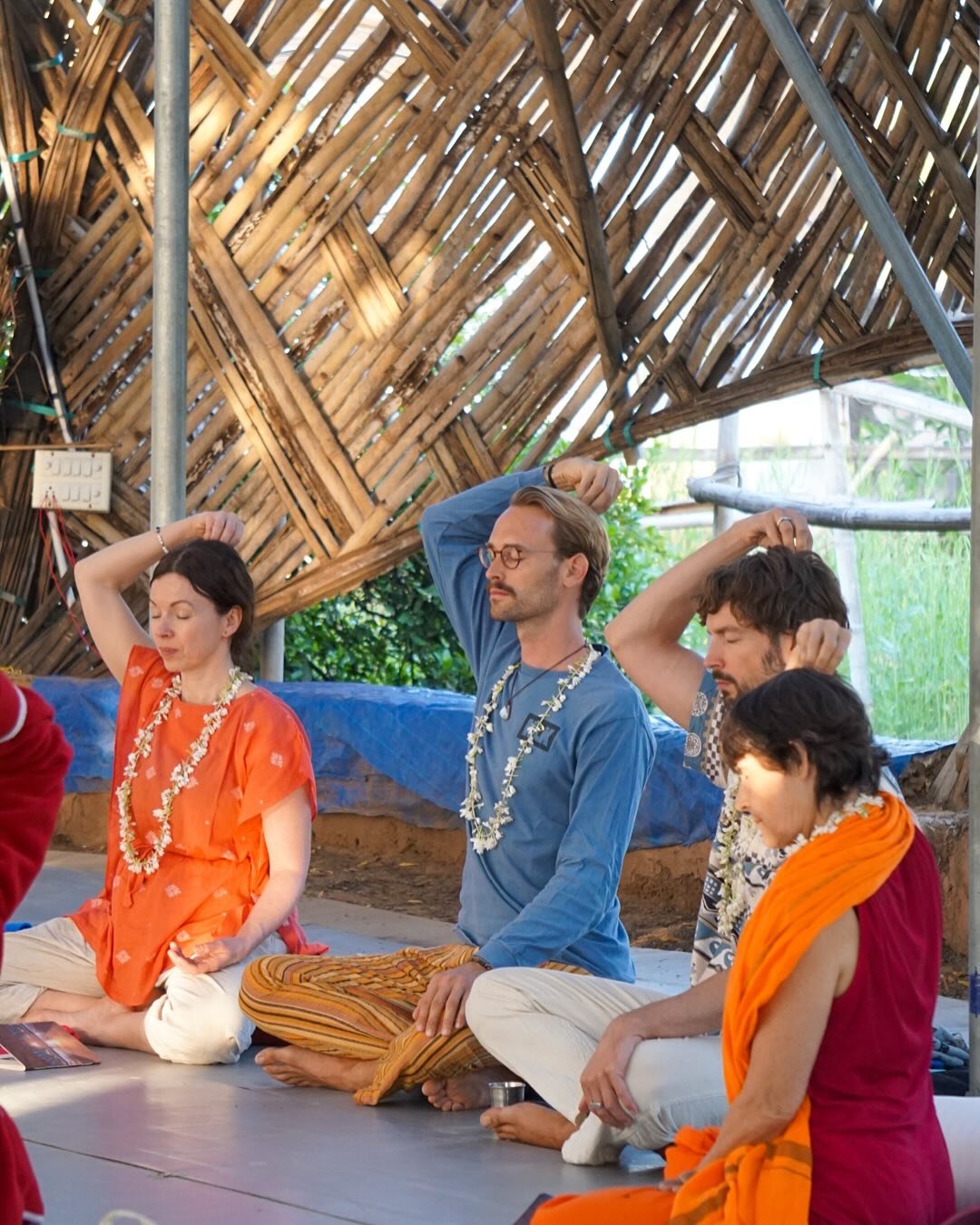
Vinyasa
Digital wellness and slow fashion, across a full content calendar.
Go to caseWhat people are saying about us
Plenty of people can make a post. Very few will tell you which post not to make.Client name, Company
Our team stopped asking what to say, because the answer was already written down.Client name, Company
Give Us A Shout
For work, questions or a second opinion call +91 00000 00000 or email hello@mangoemergency.com. You can find us at Street address, City. Knock twice, the bell does not work.