SEP 28, 2026
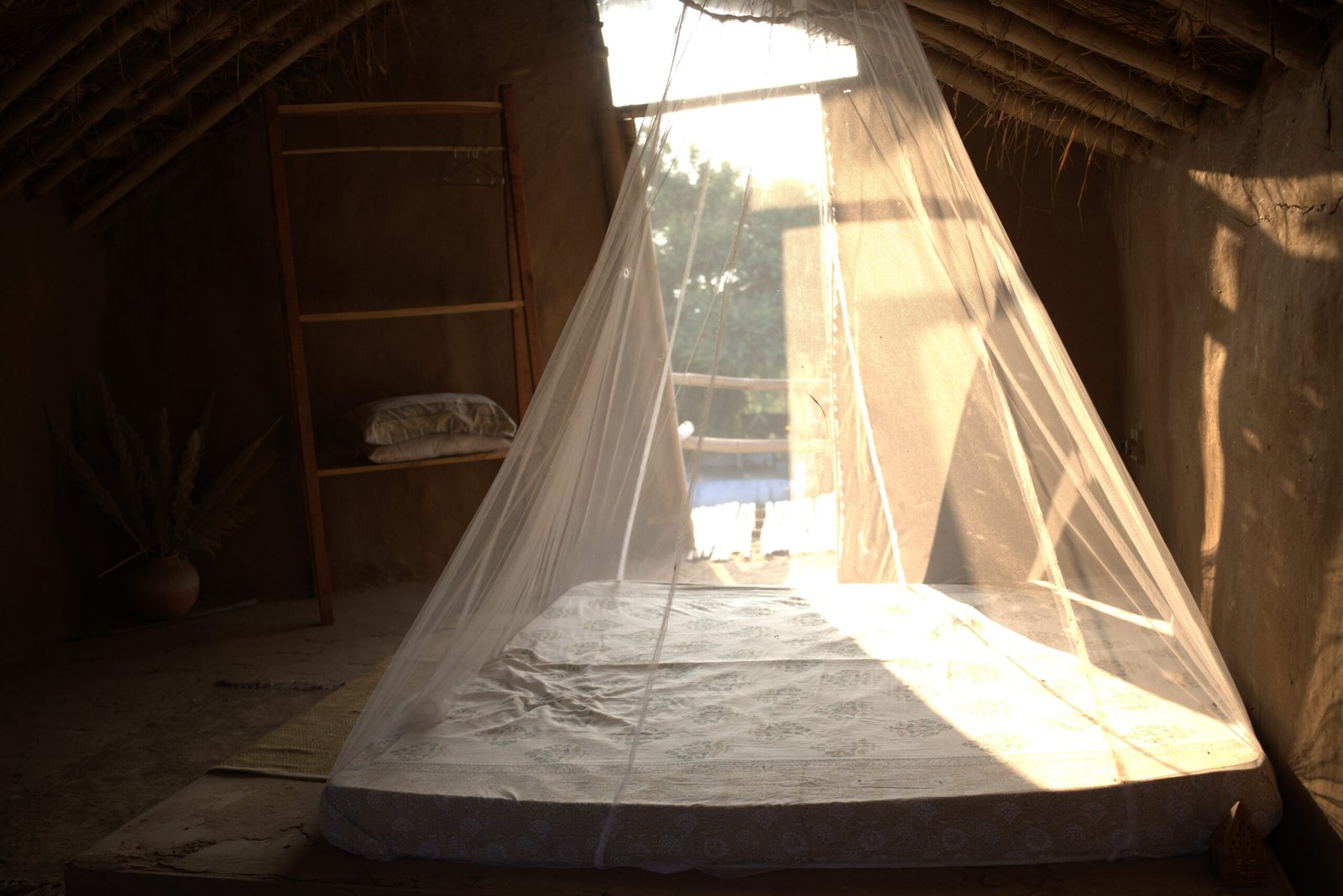
At Vinyasa Earth, nights arenÔÇÖt dark; theyÔÇÖre lunar. One corner of the ashram is known simply as the Moon Room ÔÇö an open chamber where light filters in according to the phase. You donÔÇÖt go there to achieve anything. You go there to notice.
In Indian tradition, the moon has always been a regulator. Fasting days, sowing seasons, even haircuts once followed its rhythm. Ayurveda calls this chandra nadi ÔÇö the moon channel of the body ÔÇö linked to cooling, calming, restoring. Modern research echoes the wisdom: studies show human sleep, appetite, and even menstrual cycles subtly align with lunar phases. Our ancestors didnÔÇÖt need citations. They needed sky.
The Moon Room is VinyasaÔÇÖs quietest intervention. No mirrors. No mats. No prompts. You sit, and the moon becomes your clock. A banker I met there described it as ÔÇ£the first evening in years I measured without a screen.ÔÇØ He left without photos, but remembered the exact hue of that nightÔÇÖs half moon. That memory was enough.
Why does this matter for After Enough? Because fashion and digital culture have dragged us off cycle. Algorithms run on endless scroll, not circadian rhythm. Trends refresh weekly, not seasonally. Wardrobes fill faster than bodies can metabolise. Our dopamine behaves lunar in reverse ÔÇö always waxing, never waning. The Moon Room interrupts that loop: here, rhythm isnÔÇÖt human-made. The moon does not care if you bought sneakers.
Its genius lies in how easily it travels. You donÔÇÖt need Jaipur. You need a window, a balcony, a roof. Step outside. Mark the shape, the shade. Write it down ÔÇö not for likes, but for yourself. Call it a digital lunar fast: one evening a month where you measure time by light, not notifications.
Sankalp, the ashramÔÇÖs founder, put it simply: ÔÇ£The moon resets you without asking for attention.ÔÇØ That line lingers. Because itÔÇÖs not about adding new rituals to an already crowded life. ItÔÇÖs about remembering you already live inside one.